

The Kite Runner by Khaled Hosseini explores profound themes of friendship and redemption through the eyes of Amir, a boy from Kabul, who navigates the complexities of loyalty and betrayal. The narrative doesn’t just tell a story; it invites readers to reflect on their own relationships and the possibilities for personal growth, making it a meaningful read for anyone grappling with these universal themes.
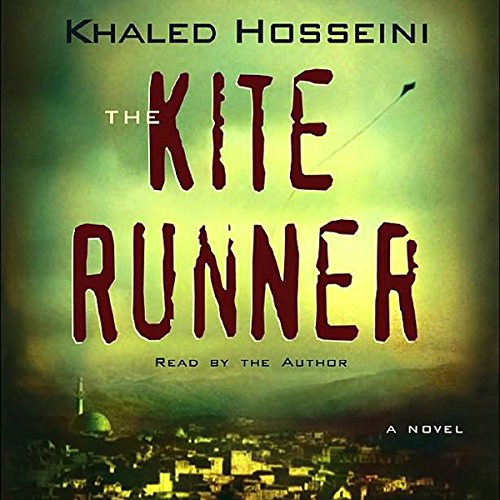
The Kite Runner
by Khaled Hosseini
- Comprehensive coverage of non-fiction topics
- Practical insights with real-world applications
- Well-researched content with actionable takeaways
As an Amazon Associate I earn from qualifying purchases.
What You’ll Discover
- **Friendship**: The bond between Amir and Hassan showcases the intricate dynamics of loyalty and betrayal.
- **Redemption**: Amir’s journey illustrates the quest for forgiveness and the difficulty of facing past mistakes.
- **Cultural Context**: Insights into Afghan culture and its social structures enhance the narrative’s richness.
- **Emotional Depth**: The exploration of childhood innocence lost and the scars of trauma resonates with many readers.
- **Symbolism of Kites**: Kites serve as a powerful metaphor for freedom and personal aspirations.
How to Apply the Concepts
– **Reflect on Relationships**: – Take time to assess your own friendships. – Identify moments of betrayal and reconciliation. – **Pursue Forgiveness**: – Consider areas in your life where forgiveness can lead to healing. – Engage in open conversations to resolve past conflicts. – **Embrace Cultural **: – Explore literature from diverse cultures to broaden your worldview. – Attend cultural events or discussions to enhance empathy and . – **Practice Emotional Resilience**: – Develop strategies to cope with emotional pain, inspired by Amir’s journey. – Engage in mindfulness or journaling to process feelings.
What Makes This Book Stand Out
- **Compelling Characters**: Complex characters that evolve throughout the story, particularly Amir and Hassan.
- **Historical Background**: Set against the backdrop of Afghanistan s tumultuous history, offering depth to the story.
- **Poetic Prose**: Hosseini’s writing is both lyrical and impactful, creating vivid imagery.
- **Emotional Engagement**: The book elicits a strong emotional response, drawing readers into the characters struggles.
- **Universality of Themes**: The themes of friendship and redemption are relatable across cultures and age groups.
How It Compares to Others
| Book Title | Author | Themes | Style |
|---|---|---|---|
| The Kite Runner | Khaled Hosseini | Friendship, Redemption | Lyrical, Emotional |
| Life of Pi | Yann Martel | Survival, Spirituality | Philosophical, Rich Imagery |
| To Kill a Mockingbird | Harper Lee | Injustice, Moral Growth | Southern Gothic, Reflective |
Your Reading Roadmap
- **Read the Book**: Engage with the text to fully appreciate its themes.
- **Take Notes**: Jot down key passages that resonate with you.
- **Discuss with Others**: Join a book club or online forum to share perspectives.
- **Reflect**: Spend time thinking about how the themes apply to your life.
- **Explore Further**: Look for interviews with Khaled Hosseini or articles about Afghan culture to deepen your .
Khaled Hosseini’s The Kite Runner is more than just a novel; it is a profound exploration of friendship and redemption set against the backdrop of a rich cultural tapestry. It excels in character development and emotional depth, making it a compelling read for anyone interested in personal growth and the complexities of human relationships. For those who enjoyed this, books like Life of Pi by Yann Martel and To Kill a Mockingbird by Harper Lee also dive into deep ethical themes and character studies, making them worthy companions on your reading list.
Take action now and get this book!