

This book holds a pivotal place in contemporary trauma literature by emphasizing the intrinsic connection between brain and body in the recovery process. It reframes trauma therapy from a solely psychological framework to one that incorporates physiological awareness, providing a comprehensive approach to healing trauma through both neural and bodily pathways.
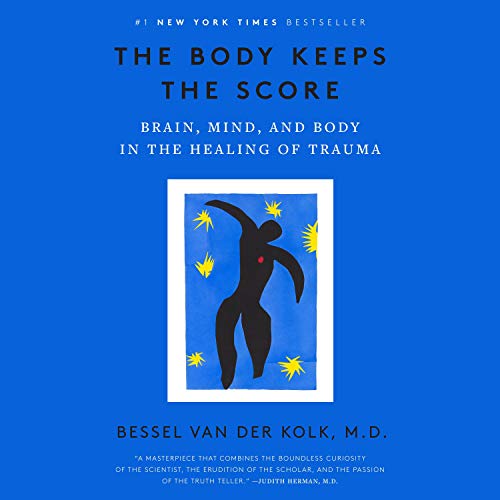
The Body Keeps the Score: Brain, Mind, and Body in the Heali
by Bessel van der Kolk M.D.
- Comprehensive coverage of non-fiction topics
- Practical insights with real-world applications
- Well-researched content with actionable takeaways
As an Amazon Associate I earn from qualifying purchases.
Fundamental Themes Explored
- Trauma’s imprint on the body: The author highlights how traumatic experiences leave a lasting footprint not just on memory but on the physical body, influencing neurological processes and physiological responses.
- Neuroplasticity and brain function: The book discusses how trauma alters brain regions such as the amygdala, hippocampus, and prefrontal cortex, affecting emotional regulation and memory integration.
- The mind-body connection: It firmly establishes that healing trauma requires addressing both mental and bodily symptoms, debunking the myth that trauma is solely a psychological issue.
- Importance of safety and regulation: A recurring theme is that trauma survivors must first regain a sense of safety within their bodies before effective psychological work can occur.
- Alternative healing modalities: The author explores non-traditional therapies such as yoga, EMDR (Eye Movement Desensitization and Reprocessing), neurofeedback, and sensorimotor psychotherapy as critical components of healing.
- Community and relational healing: The book stresses the role of supportive relationships and social environments in trauma recovery, reinforcing the need for connection.
Methodology and Approach
The author combines scientific research with clinical case studies to create an evidence-based yet accessible narrative. His approach is multidisciplinary, integrating neuroscience, psychology, and somatic therapies.
Key aspects include:
- Detailed explanation of brain imaging studies that show how trauma reshapes brain activity and connectivity.
- Use of patient stories to exemplify complex trauma symptoms and how they manifest in daily life.
- Practical descriptions of therapeutic interventions, demonstrating how body awareness and regulation techniques support recovery.
- Stepwise presentation of treatment phases: establishing safety, processing traumatic memories, and integrating experiences into a coherent self-narrative.
- Inclusion of innovative treatment methods alongside traditional talk therapy, emphasizing their complementary roles.
Strengths and Limitations
- Strengths
- Comprehensive coverage of trauma from multiple scientific perspectives, offering depth and breadth.
- Clear articulation of how body-based therapies function, providing practical tools for clinicians and survivors alike.
- Rich clinical anecdotes that humanize complex neurobiological concepts.
- Bridges gap between theory and practice, making it suitable for professionals and informed readers.
- Emphasizes empowerment of trauma survivors through their physiological responses.
- Limitations
- At times, the scientific explanations can be dense for readers without prior neuroscience knowledge.
- Some therapeutic modalities discussed require professional guidance and may not be easily accessible to all readers.
- Focuses primarily on post-traumatic stress and neglects other trauma types like complex developmental trauma in depth.
- Less attention to cultural and socioeconomic factors influencing trauma and healing processes.
Competitive Landscape
| Book | Focus | Approach | Unique Strength | Best For |
|---|---|---|---|---|
| The Body Keeps the Score | Trauma’s impact on brain and body | Neuroscience + Somatic Therapies | Integration of neurobiology with practical healing techniques | Clinicians, trauma survivors seeking holistic approach |
| Waking the Tiger by Peter Levine | Somatic experiencing and trauma recovery | Body-awareness and energy release | Accessible to somatic trauma therapy | Readers new to body-focused trauma healing |
| Trauma and Recovery by Judith Herman | Psychological and social aspects of trauma | Clinical and sociopolitical analysis | Detailed framework on trauma stages and recovery | Therapists, social workers, advanced readers |
Final Assessment and Verdict
- This work stands out for its balanced synthesis of neuroscience and clinical practice, making a convincing case for why trauma treatment must go beyond talk therapy.
- The detailed exploration of brain regions affected by trauma equips readers with knowledge rarely found in mainstream trauma literature.
- Its emphasis on the body as a vehicle for healing offers practical applications that broaden therapeutic options significantly.
- Despite occasional complexity, it remains accessible to a wide audience, particularly those willing to engage deeply with the material.
- It pairs well with other trauma recovery texts, such as Waking the Tiger, for a more somatic-focused experience or Trauma and Recovery for a sociocultural context.
For readers and professionals seeking a nuanced, research-backed guide to trauma healing that respects the brain and body as interconnected systems, this book remains a definitive resource.
Ready to learn? Get your copy immediately!