

Storytelling is an essential part of human communication. Will Storr’s The Science of Storytelling explores the vital principles that make stories resonate with audiences. This book provides a comprehensive overview of the mechanics behind effective storytelling, offering practical insights that can transform how we share our narratives.
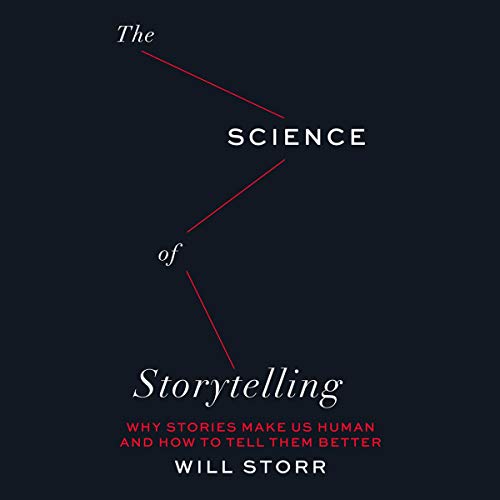
The Science of Storytelling
by Will Storr
- Comprehensive coverage of non-fiction topics
- Practical insights with real-world applications
- Well-researched content with actionable takeaways
As an Amazon Associate I earn from qualifying purchases.
What You’ll Discover
- **Fundamental principles** of storytelling that apply across genres.
- The emotional impact of stories on human behavior and thought processes.
- The role of neuroscience in how stories affect the brain.
- **Practical techniques** for crafting compelling narratives, regardless of medium.
- Real-world examples that illustrate successful storytelling strategies.
- Insights into how stories shape our identity and cultural .
How to Apply the Concepts
Storr emphasizes actionable steps to integrate storytelling principles into your work or personal life. Here are some key applications:
- Define the **core message** of your story to ensure clarity and focus.
- Use the **structure of storytelling**: setup, conflict, resolution to engage your audience.
- Create **relatable characters** that evoke empathy and connection.
- Incorporate **sensory details** to immerse your audience in the narrative.
- Test your narrative with real audiences to gather feedback and refine your approach.
What Makes This Book Stand Out
- Combines **scientific research** with practical storytelling techniques.
- Engaging writing style that makes complex concepts accessible.
- Integrates psychology and neuroscience to explain why stories matter.
- Includes diverse examples from various cultures and mediums.
- Offers a modern perspective on how stories can influence society.
How It Compares to Others
| Book | Focus Area | Unique Aspect |
|---|---|---|
| The Hero with a Thousand Faces by Joseph Campbell | Mythological storytelling | Introduces the concept of the Hero s Journey as a narrative framework. |
| Story: Substance, Structure, Style and the Principles of Screenwriting by Robert McKee | Screenwriting | Emphasizes screenplay structure and character development techniques. |
| The Story Factor by Annette Simmons | Business storytelling | Focuses on using stories to influence and persuade in a business context. |
Your Reading Roadmap
- Begin with the **** to grasp the significance of storytelling.
- Explore the **neuroscience sections** to understand how stories impact the brain.
- Take notes on the **practical applications** presented in each chapter.
- Reflect on the **examples** provided to illustrate key principles.
- Consider how you can **implement these techniques** in your own narratives.
Storr s approach to storytelling is both analytical and creative, making it a valuable resource for anyone interested in enhancing their narrative skills. The blend of scientific analysis with practical application sets this book apart in the crowded field of storytelling literature.
The insights from The Science of Storytelling are not only relevant for writers but also for educators, marketers, and leaders who aim to communicate effectively. By the principles behind storytelling, one can create narratives that not only inform but also resonate deeply with the audience.
For those looking to expand their knowledge further, consider exploring related works like The Hero with a Thousand Faces for its mythological insights or Story: Substance, Structure, Style for a deeper dive into screenwriting techniques.
Embrace the art and science of storytelling with confidence and creativity. The principles outlined by Storr provide a solid foundation for anyone looking to make their narratives impactful.