

In today s visually-driven culture, appearance carries profound weight in shaping personal and social identities. Michelle Obama s work on appearance delves into why how we present ourselves is not just skin-deep but intersects with social dynamics and power. This book is essential for anyone seeking a clearer perspective on the significance of appearance in society and its ripple effects in professional and personal spheres.
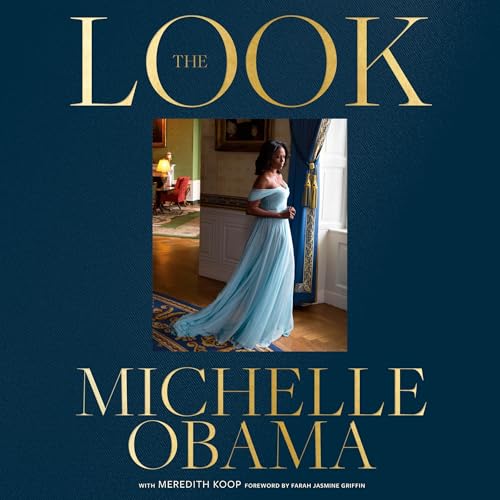
The Look
by Michelle Obama
- Comprehensive coverage of non-fiction topics
- Practical insights with real-world applications
- Well-researched content with actionable takeaways
View Details & Price on Amazon
As an Amazon Associate I earn from qualifying purchases.
Essential Framework Overview
- Appearance as Communication: The book presents appearance as a nonverbal language that conveys values, intentions, and social status instantly.
- Socio-Cultural Contexts: Michelle Obama highlights how different cultural backgrounds interpret looks differently, impacting social interactions and acceptance.
- Power and Perception: The analysis focuses on how appearance can influence authority, trustworthiness, and opportunities, often unconsciously.
- Intersectionality: The text addresses how gender, race, and class intersect with appearance, shaping diverse experiences of bias or privilege.
- Authenticity vs. Conformity: It explores the tension between expressing individuality and adhering to societal appearance norms for social success.
- Psychological Effects: The framework connects self-presentation with mental well-being and confidence, illustrating appearance s internal and external impacts.
Real-World Case Studies
- Political Leadership: Examples from Michelle Obama s public life demonstrate how wardrobe choices affected public perception and influence during her time as First Lady.
- Workplace Dynamics: Cases where first impressions based on appearance shaped hiring decisions or team interactions illustrate practical applications.
- Social Movements: The book references activists who used appearance strategically to challenge stereotypes or promote causes.
- Media and Marketing: Insights into ad campaigns showing how visual appeal affects consumer behavior and brand identity.
- Cross-Cultural Negotiations: Stories of international business scenarios highlight how local appearance norms facilitates better outcomes.
Critical Evaluation
- Strengths: The book excels in linking appearance with deeper societal mechanisms beyond surface judgments.
- Engaging Narratives: Personal stories and high-profile examples make complex social theories accessible.
- Comprehensive Coverage: Intersectional approach broadens its relevance across demographics.
- Some readers may find the focus tight on elite social contexts, with less attention to everyday or marginalized experiences.
- Comparative Depth: The book could benefit from more comparative analysis with similar works like Presence by Amy Cuddy or The Power of Style by Bobbie Thomas.
- Practical Guidance: While rich in insight, actionable steps for changing one s appearance strategy could be more detailed.
Market Position Analysis
| Book Feature | The Look by Michelle Obama | Presence by Amy Cuddy | The Power of Style by Bobbie Thomas |
|---|---|---|---|
| Focus Area | Appearance s role in social influence and identity | Body language and personal presence | Style as self-expression and empowerment |
| Target Audience | General readers interested in societal impact of looks | Professionals seeking confidence building | Fashion enthusiasts and personal development |
| Approach | Intersectional, cultural, and political | Psychological and behavioral science | Practical stylistic advice |
| Usefulness | High for societal dynamics | High for personal empowerment | High for wardrobe and style strategy |
| Author s Background | Former First Lady and public figure | Social psychologist | Fashion expert and stylist |
Strategic Recommendations
- Integrate Appearance Awareness in Professional Training: Organizations should include modules about nonverbal communication and appearance to enhance leadership and teamwork.
- Contextualize Appearance Strategies: Tailor appearance choices to specific cultural and social environments for improved interpersonal relations.
- Promote Authenticity Within Norms: Encourage individuals to balance personal expression with socially accepted appearance standards for greater acceptance without losing identity.
- Use Appearance to Combat Bias: Educate about unconscious biases linked to looks and develop strategies to mitigate their impact in hiring and promotions.
- Leverage Media for Positive Appearance Messaging: Brands and public figures should highlight diverse looks to broaden societal beauty standards.
- Encourage Self-Reflection: Individuals must assess how their appearance affects mental health and devise personalized approaches to boost confidence.