

Perception of beauty and self-image profoundly influence how individuals navigate their personal and professional lives. Michelle Obama s exploration in this book offers a nuanced look at how societal standards shape identity and confidence. This work matters because it challenges readers to reconsider external appearances versus internal worth, fostering healthier, more authentic self-perception.
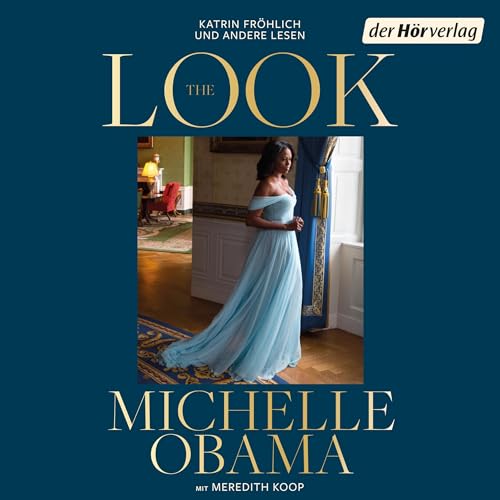
The Look
by Michelle Obama
- Comprehensive coverage of non-fiction topics
- Practical insights with real-world applications
- Well-researched content with actionable takeaways
View Details & Price on Amazon
As an Amazon Associate I earn from qualifying purchases.
Essential Framework Overview
- Central thesis: Beauty is not a fixed standard but a cultural construct influenced by social, historical, and personal factors.
- Self-image as a dynamic process: Obama stresses that self-image evolves through reflection, external feedback, and societal narratives rather than static traits.
- Intersectionality: The book highlights how race, gender, and class intersect to affect perceptions of beauty, making the discussion deeply contextual.
- Media s role: Examines how media perpetuates narrow ideals, impacting self-esteem and societal expectations.
- Empowerment through choice: Encourages readers to reclaim control over their image and redefine beauty on their own terms.
- Practical approach: Combines theory with actionable advice, such as building positive affirmations and seeking diverse role models.
- Integration of personal anecdotes: Obama uses her own experiences to illustrate broader themes, adding authenticity and relatability.
Real-World Case Studies
- Profiles of women from diverse backgrounds who challenge traditional beauty norms by embracing natural hair, diverse body types, and cultural attire.
- Examples of workplace scenarios where appearance biases influence hiring and promotion, demonstrating real stakes of perception in professional contexts.
- Community initiatives inspired by the message of the book, such as mentorship programs focusing on self-esteem and identity for adolescents.
- Impact stories from readers who applied the book’s principles to reduce social anxiety and enhance personal confidence.
- Comparisons with historical figures who redefined beauty standards in their eras, underscoring the evolution of self-image over time.
Critical Evaluation
- Strengths:
- Rich, relatable storytelling that bridges academic concepts and everyday experiences.
- Clear language that makes complex social theories accessible without oversimplifying.
- Balanced presentation that respects diverse viewpoints on beauty and self-image.
- Strong emphasis on actionable steps, which sets it apart from purely theoretical texts.
- Potential limitations:
- At times, the book assumes a Western perspective that might limit applicability in more varied cultural contexts.
- Lacks deeper engagement with male perspectives, focusing predominantly on women s experiences.
- Some readers might find the anecdotal approach less rigorous compared to empirical research-heavy works.
- Comparative note: While it complements works like “Beauty Pays” by Daniel Hamermesh, which analyzes economic impacts of beauty, Obama s book emphasizes psychological and social dimensions more heavily.
Market Position Analysis
| Aspect | This Book | “The Beauty Myth” by Naomi Wolf | “You Are Your Best Thing” by Tarana Burke & Bren Brown |
|---|---|---|---|
| Focus | Perception of beauty and self-image with practical applications | Critique of societal beauty standards and feminism | Intersectionality, trauma, and self-worth |
| Approach | Personal anecdotes combined with social analysis | Theoretical feminist critique | Conversational interviews and essays |
| Target Audience | General readers seeking self-improvement and empowerment | Academics and feminist activists | Readers interested in healing and identity |
| Practicality | High – includes real-world strategies | Moderate – largely theoretical | Moderate – focuses on emotional insight |
| Market Impact | Strong among self-help and personal development readers | Influential in feminist literature | Emerging in wellness and social justice spaces |
Strategic Recommendations
- Leverage multimedia platforms: Engage audiences through podcasts, video series, or webinars discussing perception of beauty and self-image to broaden reach.
- Develop workshops and community programs: Use the book’s framework to create curricula that promote positive self-image in schools and corporate settings.
- Expand cultural perspectives: Future editions or companion books could include global viewpoints to enhance inclusivity.
- Partner with mental health professionals: Collaborate to translate principles into therapeutic tools addressing self-esteem and identity issues.
- Integrate interactive tools: Create apps or online assessments that help users track and improve their self-image based on the book’s concepts.
- Cross-reference with related literature: Encourage readers to explore complementary titles such as “Beauty Pays” for economic perspectives and “You Are Your Best Thing” for healing and intersectionality.