

Making art accessible for everyone is no small feat, especially when the subject often feels exclusive or intimidating. Kate Bryan s approach in this book breaks down barriers by presenting art in down-to-earth language, inviting readers from all backgrounds to engage with creative expression confidently. This work stands out by democratizing art appreciation and practice without overwhelming jargon or elitist tones.
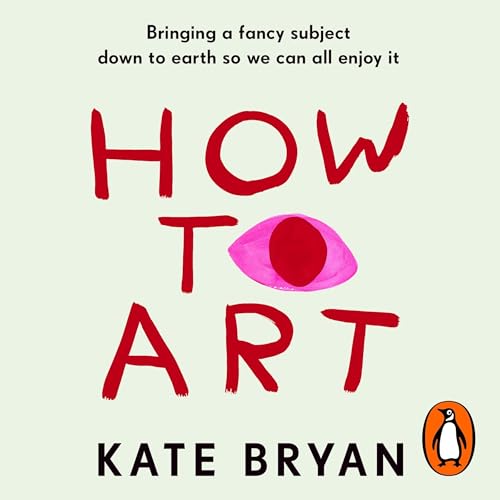
How To Art: Bringing a Fancy Subject Down to Earth so We Can
by Kate Bryan
- Comprehensive coverage of non-fiction topics
- Practical insights with real-world applications
- Well-researched content with actionable takeaways
As an Amazon Associate I earn from qualifying purchases.
Essential Framework Overview
- Clear Language and Approachability: Bryan uses everyday language to explain complex art concepts, avoiding technical terms that typically deter newcomers.
- Step-by-Step Guidance: The book offers practical steps on how to start creating or appreciating art, making it actionable rather than purely theoretical.
- Inclusive Mindset: Emphasizes that art is for everyone, regardless of prior knowledge, skill level, or cultural background.
- Focus on Enjoyment: Prioritizes the joy and personal satisfaction derived from engaging with art, rather than solely art criticism or history.
- Incorporates visual examples and anecdotes from the author s experience, helping readers relate to the content on a personal level.
- Encourages experimentation and individuality rather than strict adherence to traditional art rules.
- Practical Tools: Includes tips on materials, techniques, and mindset shifts necessary for beginners to overcome common hurdles.
Real-World Case Studies
The book presents real individuals who transformed their relationship with art by applying Bryan s principles:
- A middle-aged office worker who discovered painting as a stress relief tool, highlighting how art can improve mental well-being.
- An amateur photographer who learned to see beauty in everyday scenes by following the book’s observational tips.
- A young parent who integrated simple art activities into family life, fostering creativity in children and adults alike.
- Examples from community art projects where Bryan s accessible philosophy helped participants with no formal art training contribute meaningfully.
Critical Evaluation
- Strengths:
- Transforms a traditionally complex topic into something inviting and manageable.
- Practical, hands-on advice that readers can implement immediately.
- Encourages a positive and inclusive attitude towards art making and appreciation.
- Engaging narrative style that avoids pretension and connects with a broad audience.
- Limitations:
- Readers seeking deep academic or historical art theory may find the treatment too light.
- Some sections could benefit from more detailed tutorials or visual step demonstrations.
- Focuses primarily on Western art traditions; a more global perspective might enhance inclusivity.
- Practical usability: The book excels at offering actionable advice but occasionally glosses over technical skill development that some beginners might crave.
Market Position Analysis
| Aspect | This Book | “The Art Spirit” by Robert Henri | “Drawing on the Right Side of the Brain” by Betty Edwards |
|---|---|---|---|
| Target Audience | General public with no art background | Artists and art students | Beginners focusing on drawing skills |
| Approach | Conversational and accessible | Philosophical and inspirational | Technical and instructional |
| Focus | Making art relatable and enjoyable | Artistic mindset and spirit | Skill acquisition and cognitive techniques |
| Use of Visuals | Examples and anecdotes | Minimal illustrations | Detailed step-by-step drawings |
| Accessibility | High for all readers | Moderate; some art knowledge helpful | Moderate to high for beginners |
Strategic Recommendations
- Integrate more visual tutorials or online companion content to bridge the gap for readers wanting technical skill development.
- Expand cultural perspectives by including art examples and practices from non-Western traditions to enhance inclusivity.
- Develop a workbook or interactive guide that complements the narrative, encouraging active participation alongside reading.
- Collaborate with community art programs to apply the book’s principles in real settings, gathering feedback and case studies for future editions.
- Consider partnerships with platforms like Skillshare or Udemy to offer practical workshops based on the book’s accessible approach.
The book succeeds as a refreshing and practical resource for anyone intimidated by traditional art instruction. It brings forward a friendly voice that reassures and motivates readers to engage with art on their own terms. Those seeking a gentle will find it a valuable companion, while more technical learners might consider pairing it with works like Betty Edwards “Drawing on the Right Side of the Brain” for skill-specific guidance.