

The History and Evolution of Western Art is a captivating exploration of artistic movements and cultural shifts that have shaped the visual arts in the Western world. Peter Whitfield presents a comprehensive overview that is accessible to readers, whether they are novices or seasoned art enthusiasts. This book invites readers to appreciate the intricate connections between art and history, offering a refreshing look at how art reflects societal values and transitions.
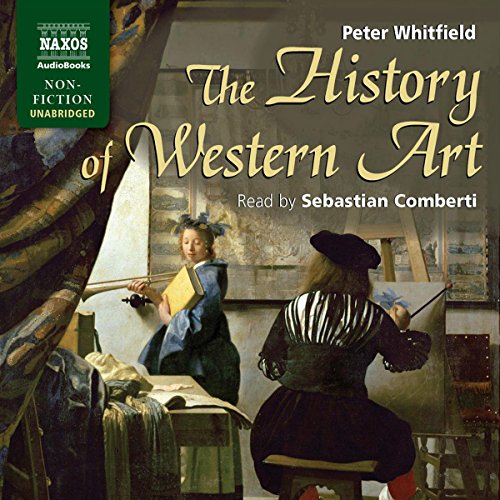
The History of Western Art
by Peter Whitfield
- Comprehensive coverage of non-fiction topics
- Practical insights with real-world applications
- Well-researched content with actionable takeaways
As an Amazon Associate I earn from qualifying purchases.
What You’ll Discover
- **Historical Context**: Insights into how major historical events influenced artistic movements.
- **Art Movements Explained**: From the Renaissance to Modernism, the book covers key art movements with clarity.
- **Influential Artists**: Profiles of significant artists and their contributions to the evolution of Western art.
- **Visual Examples**: Rich illustrations that accompany the text, enhancing of discussed artworks.
- **Thematic Analysis**: Examination of themes such as beauty, identity, and society through the lens of art.
- **Critical Perspectives**: Engaging critiques of well-known artworks and movements, encouraging independent thought.
How to Apply the Concepts
– **Explore Artistic Connections**: – Visit local art galleries to see how historical contexts are reflected in current exhibitions. – Compare artworks from different periods to perceive shifts in techniques and themes. – **Engage with the Art Community**: – Join discussions or forums about Western art to share insights and learn from others. – Participate in workshops focusing on different art movements covered in the book. – **Reflect on Personal Experiences**: – Maintain a journal to document your thoughts on artworks you encounter based on themes from the book. – Create your own art inspired by the techniques and themes studied.
What Makes This Book Stand Out
- **Accessible Language**: Whitfield writes in a style that is easy to understand, making art history approachable.
- **Rich Visuals**: High-quality images that complement the narrative, making the text engaging.
- **Comprehensive Coverage**: The book spans multiple centuries, ensuring a wide-ranging look at Western art.
- **Timeless Relevance**: Offers insights that remain relevant in contemporary discussions about art.
- **Diverse Perspectives**: Incorporates different viewpoints, celebrating the complexity of art interpretation.
How It Compares to Others
| Book Title | Author | Focus | Unique Aspect |
|---|---|---|---|
| The Story of Art | E.H. Gombrich | Comprehensive overview of art history | Timeless classic with a philosophical approach |
| Ways of Seeing | John Berger | Visual culture and perception | Critical thinking about how we view art |
| The History of Western Art | Peter Whitfield | Art movements and historical context | Accessible style with rich visuals |
Your Reading Roadmap
- Start with the **** to grasp the purpose of the book.
- Read about the **Renaissance** to understand foundational shifts in art.
- Explore **Baroque and Rococo** for insights into emotional expression in art.
- Move to **Modernism** for discussions on innovation and abstraction.
- Conclude with the **Contemporary Art** section to see current trends and reflections.
- Reflect on your learnings and consider how they apply to your own artistic views.
This book serves as both an educational resource and a source of inspiration. Whitfield’s engaging narrative makes history come alive, allowing readers to appreciate the profound impact of art on culture and society. Whether you’re a student of art or simply someone who enjoys exploring visual culture, this book offers valuable insights that resonate well beyond the pages.