

As a pivotal installment in J.K. Rowling’s series, Harry Potter and the Prisoner of Azkaban enriches the narrative with deep character development and complex themes. This book stands out due to its exploration of identity, fear, and the confrontation of one’s past, making it essential for readers seeking insight into personal growth and resilience.
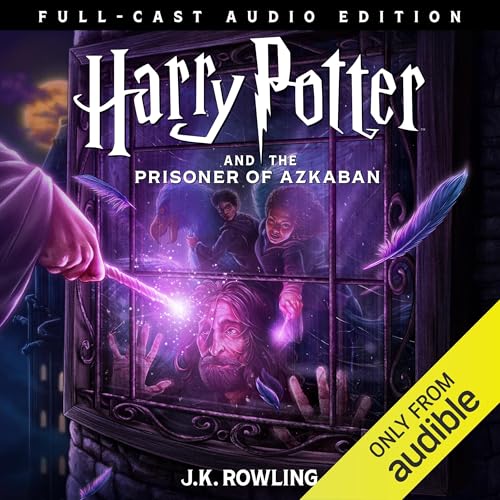
Harry Potter and the Prisoner of Azkaban (Full-Cast Edition)
by J.K. Rowling
- Comprehensive coverage of non-fiction topics
- Practical insights with real-world applications
- Well-researched content with actionable takeaways
As an Amazon Associate I earn from qualifying purchases.
Essential Framework Overview
- Theme of Fear: The book illustrates how fear can paralyze individuals. Harry’s encounter with the Dementors symbolizes this struggle.
- Identity Exploration: The of Sirius Black challenges Harry’s perceptions of family and loyalty.
- Time Travel Concept: The use of the Time-Turner introduces an intriguing plot device, raising questions about choices and consequences.
- Friendship’s Role: Harry, Ron, and Hermione’s bond showcases the importance of support and unity in overcoming challenges.
- Consequences of Choices: Decisions made by characters reflect the importance of accountability and the impact of actions on future events.
Real-World Case Studies
- Fear Management: Many individuals face debilitating fears. The Dementors in the book can be paralleled with anxiety disorders that require coping strategies.
- Family Dynamics: Sirius Black serves as a case study for exploring non-traditional family structures and their influence on identity.
- Time Management: Hermione s use of the Time-Turner can be related to real-life time management skills, emphasizing the balance between responsibilities and personal life.
- Support Systems: The trio’s friendship exemplifies how strong support networks can aid in navigating life s complexities.
Critical Evaluation
- Character Development: Harry’s evolution is evident as he learns to stand up against his fears, especially with the Patronus Charm.
- Narrative Structure: The story is effectively paced, with a balance of tension and relief, keeping readers engaged.
- Complex Themes: The confrontation with past traumas adds depth, making it relatable for readers of all ages.
- Symbolism: The Marauder’s Map represents knowledge and the importance of knowing one’s surroundings, paralleling real-life awareness.
- Engagement: The use of humor and heartfelt moments enriches the reading experience, ensuring that it is not solely focused on darker themes.
Market Position Analysis
| Book | Author | Themes | Target Audience |
|---|---|---|---|
| Harry Potter and the Prisoner of Azkaban | J.K. Rowling | Identity, Fear, Friendship | Young Adults, Middle Grade |
| The Perks of Being a Wallflower | Stephen Chbosky | Friendship, Mental Health | Young Adults |
| Looking for Alaska | John Green | Identity, Loss | Young Adults |
Strategic Recommendations
- Engage with Themes: Readers should reflect on their own fears and how they can confront them, drawing parallels with Harry’s journey.
- Explore Identity: Consider the influences of family and friends on personal identity, similar to the dynamics between Harry, Ron, and Hermione.
- Time Management Skills: Utilize the insights from Hermione s experiences to improve personal time management in daily life.
- Build Support Networks: Foster strong relationships that can provide emotional support, mirroring the trio’s bond.
- Literary Exploration: Read companion books or similar genres to deepen of themes found in this book.
Harry Potter and the Prisoner of Azkaban remains a significant entry in the Harry Potter series. The themes of fear, identity, and friendship resonate deeply, offering practical lessons applicable to real-world challenges. Emphasizing personal growth through adversity, it serves as a reminder of the strength found in community and the importance of facing one’s fears head-on.