

In a world increasingly concerned with environmental degradation, Anakin Willson s book on Fashion Sustainability and Biodegradable Fabrics stands out as a crucial resource. It explores how the fashion industry can embrace sustainability through innovative and eco-friendly materials. The discourse around biodegradable fabrics is not merely theoretical; it has practical implications that can transform the industry.
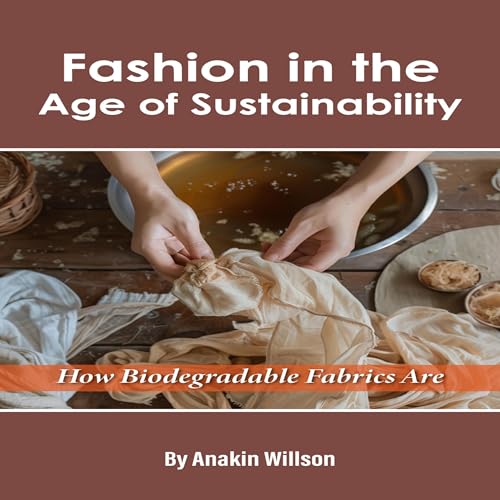
Fashion in the Age of Sustainability: How Biodegradable Fabr
by Anakin Willson
- Comprehensive coverage of non-fiction topics
- Practical insights with real-world applications
- Well-researched content with actionable takeaways
As an Amazon Associate I earn from qualifying purchases.
Fundamental Themes Explored
- Sustainability in Fashion: Emphasizes the need for sustainable practices in an industry notorious for waste.
- Biodegradable Fabrics: Discusses materials that break down naturally, reducing environmental impact.
- Consumer Awareness: Highlights the role of consumer choice in driving sustainable practices.
- Technological Innovation: Investigates how new technologies can facilitate the creation of biodegradable fabrics.
- Industry Case Studies: Provides real-world examples of brands successfully implementing sustainable practices.
- Practical Solutions: Offers actionable strategies for businesses looking to adopt sustainable models.
Methodology and Approach
Willson employs a multifaceted approach, combining both theoretical frameworks and practical applications. Key methodologies include:
- Interviews: Engages with industry experts to gather diverse perspectives on sustainability.
- Research Analysis: Utilizes current studies and statistics to underpin arguments about the impact of biodegradable fabrics.
- Case Study Evaluation: Examines specific brands that have adopted sustainable practices, analyzing their successes and challenges.
- Practical Guidelines: Provides steps for businesses to implement sustainable practices effectively.
Strengths and Limitations
The book’s approach does have its merits and drawbacks:
- Strengths:
- Comprehensive coverage of biodegradable materials and their benefits.
- Real-world examples make the content relatable and actionable.
- Well-researched, with credible data and expert interviews enhancing content credibility.
- Encourages a shift in consumer mindset towards sustainable choices.
- Limitations:
- Some sections may feel overly technical for general readers.
- Limited focus on the challenges of scaling sustainable practices in a profit-driven industry.
- Occasional lack of in-depth exploration of alternative sustainable materials variations.
Competitive Landscape
Analyzing the book’s position relative to similar works reveals its unique strengths and potential areas of overlap. Below is a comparison with other notable titles in this genre:
| Book Title | Author | Focus Area | Unique Selling Proposition |
|---|---|---|---|
| Dress Eco | Betsy F. Rogers | Eco-Friendly Fashion | Focus on the history and evolution of sustainable fashion. |
| The Conscious Closet | Elizabeth L. Cline | Sustainable Wardrobe | Practical guide on building a sustainable wardrobe. |
| Fashion Transparency | Various | Industry Transparency | Focus on the transparency of the fashion supply chain. |
| Fashion in the Age of Sustainability | Anakin Willson | Biodegradable Fabrics | In-depth analysis of biodegradable materials and their potential. |
Final Assessment and Verdict
To summarize, here are the key takeaways from the book:
- Essential Resource: Provides crucial insights for those interested in sustainable fashion.
- Practical Applications: Offers actionable guidelines for businesses seeking to integrate sustainability.
- Real-World Examples: Encourages readers by showcasing brands that have successfully made the shift.
- Future-Oriented: Points towards a more sustainable future for the fashion industry, emphasizing the importance of biodegradable fabrics.
- Consumer Empowerment: Urges consumers to make informed choices, thus influencing the market.
Overall, Anakin Willson’s work stands as a valuable guide for industry stakeholders, from entrepreneurs to consumers. Readers will find both inspiration and practical knowledge to navigate the complex world of sustainable fashion.