

From an expert perspective, Designing Terry Pratchett’s Discworld by Paul Kidby offers more than just a glimpse into the visual artistry behind one of literature’s most beloved universes. It meticulously explores the intricate design elements that breathe life into Discworld, highlighting how humor and narrative structures intertwine to create a truly unique world. This book is an essential resource for fans and aspiring artists alike, providing insights into the creative process that shaped Pratchett’s visionary work.
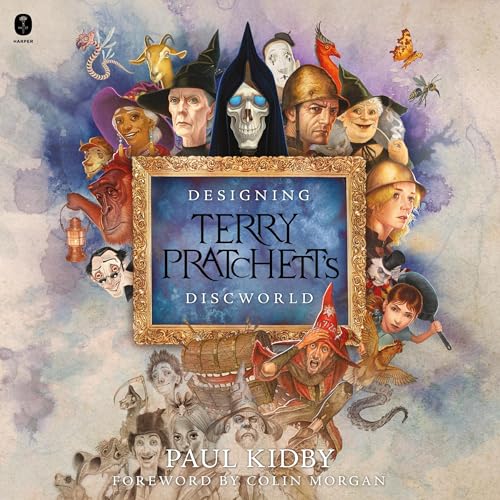
Designing Terry Pratchett s Discworld
by Paul Kidby
- Comprehensive coverage of non-fiction topics
- Practical insights with real-world applications
- Well-researched content with actionable takeaways
As an Amazon Associate I earn from qualifying purchases.
Essential Framework Overview
- Visual Aesthetics: Kidby delves into the illustration styles that define Discworld, focusing on:
- Color palettes that reflect the mood of various settings.
- Character designs that capture personality traits and quirks.
- Humor’s Role: The book emphasizes the influence of humor in world-building:
- Witty details that add layers to character interactions.
- Visual gags incorporated into the backgrounds of illustrations.
- Narrative Structures: Kidby examines how the design complements narrative arcs:
- Use of illustrations to foreshadow events.
- Visual storytelling techniques that enhance reader engagement.
- Character Diversity: Insight into how characters are designed to reflect diversity within:
- Varied body types and appearances.
- Cultural influences in clothing and accessories.
Real-World Case Studies
- Example: Death’s Character Design
- Kidby illustrates how Death is personified, using skeletal features juxtaposed with a quirky demeanor.
- The choice of a black robe contrasts humorously with his childlike approach to life and death.
- Example: Ankh-Morpork Cityscape
- A detailed exploration of the chaotic architecture of Ankh-Morpork, reflecting its history and socio-political landscape.
- Kidby describes how the city s design mirrors the chaotic nature of its inhabitants.
- Example: The Discworld Map
- Analysis of how the map serves both as a functional tool and an artistic representation.
- Discussion on how geography influences the narrative and character journeys.
Critical Evaluation
- Artistic Integrity: Kidby’s illustrations maintain a consistent style that honors Pratchett’s humor and storytelling:
- Visuals resonate with the whimsical yet profound themes present in the narratives.
- Each illustration serves a purpose, enhancing the reader’s experience.
- Audience Engagement: The book effectively appeals to both hardcore fans and newcomers:
- Kidby balances detailed analysis with accessible language.
- Illustrations draw readers into the whimsical lore of Discworld.
- Illustration Techniques: Exploration of various artistic techniques used:
- Use of digital versus traditional methods in creating artwork.
- How Kidby adapts his style to suit different Discworld stories.
Market Position Analysis
| Book | Author | Focus | Target Audience |
|---|---|---|---|
| Designing Terry Pratchett’s Discworld | Paul Kidby | Art & Design of Discworld | Fans & Artists |
| The Art of Discworld | Brian Sibley | Illustration & Storytelling | Fans |
| Pratchett: A Life with Footnotes | Rob Wilkins | Biography | Biographers & Fans |
Strategic Recommendations
- Expand the Audience: Consider marketing efforts that target art schools and libraries to introduce Discworld’s unique design elements to a new generation.
- Host Workshops: Organize events where Kidby or other artists can present on the artistic process behind character and world design.
- Collaborative Projects: Develop projects that allow fans to contribute their interpretations of Discworld through art, fostering community engagement.
- Enhanced Digital Presence: Utilize social media platforms to showcase behind-the-scenes content and interactive discussions on Discworld design.
- Cross-Promotion: Partner with other fantasy genres to explore the intersection of art and literature, broadening the scope for potential readership.
In summary, Designing Terry Pratchett’s Discworld serves as an invaluable resource that highlights the intricate design and humor that permeate Pratchett’s works. The book not only appeals to fans but also offers insights for aspiring artists and designers, making it a noteworthy addition to any library. the artistic choices behind Discworld enriches the reading experience and deepens appreciation for Pratchett’s legacy.