

A Biography of a Mountain: The Making and Meaning of Mount Rushmore by Matthew Davis provides a profound exploration into the **cultural significance** of one of America’s most iconic monuments. This book highlights the ways in which Mount Rushmore has become a symbol of national identity and the complexities surrounding its creation. The narrative intertwines **historical context** with insightful commentary on the artistic representation of the presidents carved into stone.
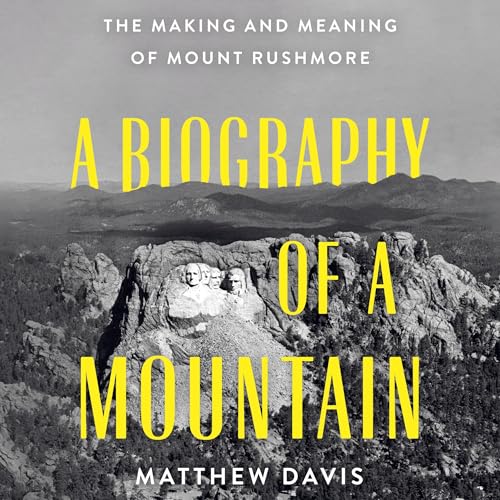
A Biography of a Mountain: The Making and Meaning of Mount R
by Matthew Davis
- Comprehensive coverage of non-fiction topics
- Practical insights with real-world applications
- Well-researched content with actionable takeaways
As an Amazon Associate I earn from qualifying purchases.
Essential Framework Overview
- Historical Context: The book traces the origins of Mount Rushmore, detailing the socio-political climate during its construction in the 1920s and 1930s.
- Artistic Representation: Davis emphasizes the artistic techniques used by sculptor Gutzon Borglum, providing insights into how these techniques reflect the ideals of American exceptionalism.
- Cultural Impact: The text delves into how Mount Rushmore has influenced public perception of American presidents and national identity.
- Controversial Legacy: The book doesn’t shy away from discussing the monument’s contentious history, particularly regarding its impact on Native American communities.
- Thematic Elements: Themes of patriotism, artistic vision, and historical memory are woven throughout the narrative.
Real-World Case Studies
Throughout the book, Davis incorporates various case studies that illustrate the broader implications of Mount Rushmore on American society:
- Presidential Impact: The portrayal of George Washington, Thomas Jefferson, Abraham Lincoln, and Theodore Roosevelt is discussed in relation to their legacies and how they resonate with contemporary American values.
- Tourism and Economy: The economic impact of Mount Rushmore on local communities is examined, showcasing how it has become a major tourist destination.
- Native American Perspectives: The author includes perspectives from Native American communities, highlighting their views on the monument as a symbol of colonization and cultural erasure.
- Artistic Competitions: Davis discusses competitions among artists and sculptors of the time, illustrating the artistic landscape in which Mount Rushmore was conceived.
Critical Evaluation
- Writing Style: Davis employs a narrative style that is both engaging and informative, making complex historical details accessible to a broad audience.
- Research Depth: The book is well-researched, featuring a variety of primary and secondary sources that support Davis’s arguments.
- Balanced Perspective: Davis provides a balanced view that acknowledges both the achievements and controversies surrounding Mount Rushmore.
- Visual Elements: The inclusion of photographs and illustrations enhances the reader’s of the monument’s scale and artistic details.
- Interdisciplinary Approach: The author’s integration of history, art criticism, and sociology enriches the narrative, offering multiple lenses through which to view the monument.
Market Position Analysis
| Book Title | Author | Genre | Focus Area |
|---|---|---|---|
| A Biography of a Mountain | Matthew Davis | Non-fiction | Mount Rushmore’s significance |
| The National Parks: America’s Best Idea | Ken Burns | Documentary Companion | American national identity |
| Gutzon Borglum: His Life and Work | Stephen A. Smith | Biography | Borglum’s artistic journey |
This comparative analysis highlights how Davis s work stands out by focusing specifically on Mount Rushmore, while others offer broader discussions on American monuments and national parks. His unique perspective on the cultural implications of the monument provides significant value in the context of American history.
Strategic Recommendations
- Further Research: Encourage readers to explore more about the Native American history of the Black Hills region to gain a deeper of the monument’s context.
- Explore Artistic Techniques: Consider analyzing the artistic methods used in other famous monuments to draw parallels and contrasts with Mount Rushmore.
- Engage with Local Communities: Promote dialogues with Native American groups to capture their perspectives and experiences relating to Mount Rushmore.
- Expand Cultural Discussions: Recommend discussions on how monuments shape public memory and identity in contemporary society.
- Broaden Educational Scope: Suggest integrating Davis’s book into educational curricula to foster discussions about art, history, and cultural representation.
This biography emerges as a vital resource for the **significance** of Mount Rushmore beyond its visual impact. It raises essential questions about national identity and the narratives we choose to celebrate. Matthew Davis has crafted a compelling narrative that resonates with anyone interested in American history and cultural studies.