

In a world filled with consumerism, many struggle with the pressures of buying more while feeling less satisfied. Emma Edwards book tackles this issue by promoting the idea of buying less to enhance self-esteem. Instead of accumulating items that bring temporary joy, readers are encouraged to focus on quality over quantity, learning to appreciate what they already possess.
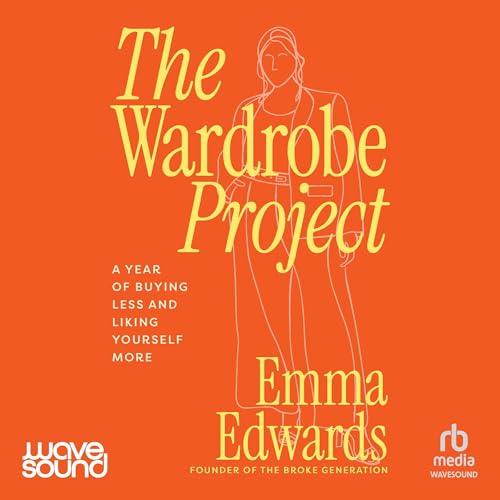
The Wardrobe Project: A Year of Buying Less and Liking Yours
by Emma Edwards
- Comprehensive coverage of non-fiction topics
- Practical insights with real-world applications
- Well-researched content with actionable takeaways
As an Amazon Associate I earn from qualifying purchases.
Core Principles Explained
- Minimalism and Mindfulness: The essence of the book revolves around adopting a minimalist mindset. Edwards emphasizes mindfulness in purchasing decisions, urging readers to reflect on their needs versus wants.
- Self-Reflection: The author prompts self-examination regarding emotional triggers tied to shopping. these triggers can help mitigate impulsive purchases.
- Quality over Quantity: The book advocates for investing in fewer but higher-quality items, promoting longevity and satisfaction.
- Emotional Connection: Edwards highlights the importance of forming emotional connections with items. Appreciating what one already owns can enhance satisfaction and reduce the desire for more.
- Empowerment Through Choices: The act of consciously choosing what to buy reinforces self-esteem. Edwards encourages readers to take control of their purchasing habits.
Step-by-Step Implementation
- Conduct a Wardrobe Audit: Evaluate current clothing items. Identify what you love, what you wear often, and what can be let go.
- Create a Wish List: Instead of immediate purchases, maintain a list of desired items. This helps to reduce impulse buys and allows for thoughtful consideration.
- Set a Budget: Allocate a specific amount for clothing each month. This financial limit encourages mindful spending and prioritizes needs.
- Practice Delayed Gratification: Wait a few days before making a purchase. This period can reveal if the desire for an item was fleeting.
- Engage in Clothing Swaps: Host or participate in clothing swaps with friends. This fosters community and refreshes your wardrobe without new purchases.
- Document Your Journey: Keep a journal of your experiences. Reflect on how buying less affects your self-esteem and overall happiness.
Advantages and Benefits Analysis
- Financial Savings: Reducing spending on unnecessary items can result in significant financial savings.
- Improved Self-Image: Focusing on quality and personal style leads to a better self-image and higher self-esteem.
- Clutter Reduction: A minimalist approach leads to a decluttered physical space, which can positively impact mental well-being.
- Environmental Impact: Buying less contributes to less waste and a smaller carbon footprint, promoting sustainability.
- Enhanced Creativity: Limiting choices can foster creativity in styling and outfit combinations, making the most of what you have.
Alternative Options Comparison
| Book Title | Author | Focus Area | Unique Aspect |
|---|---|---|---|
| The Life-Changing Magic of Tidying Up | Marie Kondo | Decluttering | Emphasis on joy and items that ‘spark joy’ |
| Goodbye, Things | Fumio Sasaki | Minimalism | Personal account of living with less |
Actionable Next Steps
- Read The Wardrobe Project: Start by diving into Edwards’ insights and strategies. Familiarizing yourself with the book’s principles is essential.
- Join a Community: Engage with others who share similar goals. Online forums or local groups focused on minimalism and mindful consumption can provide support.
- Implement One Strategy Weekly: Choose one step from the implementation section each week and practice it. Gradual changes can lead to lasting habits.
- Share Your Progress: Document your experiences and share them on social media or blogs. This not only holds you accountable but can inspire others.
- Reassess Regularly: Schedule monthly reflections on your purchasing habits and emotional well-being to track your growth and areas for improvement.
Emma Edwards “The Wardrobe Project” presents a transformative approach to shopping and self-esteem. By embracing the principles of minimalism, readers can take tangible steps towards reducing clutter while enhancing their confidence. The book serves as a guide for anyone looking to shift their perspective on consumption and cultivate a more fulfilling relationship with their wardrobe. Ready to make a change?